Play Game

Powered by EmulatorJS · Arcade
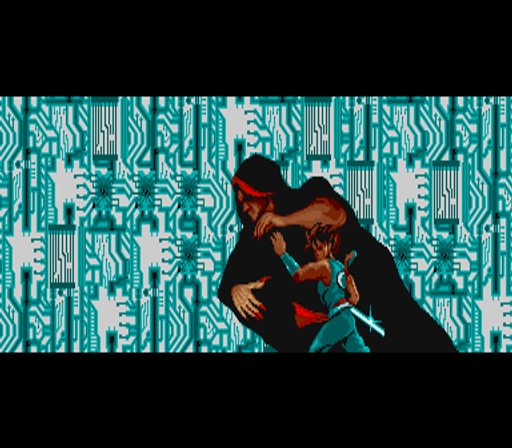
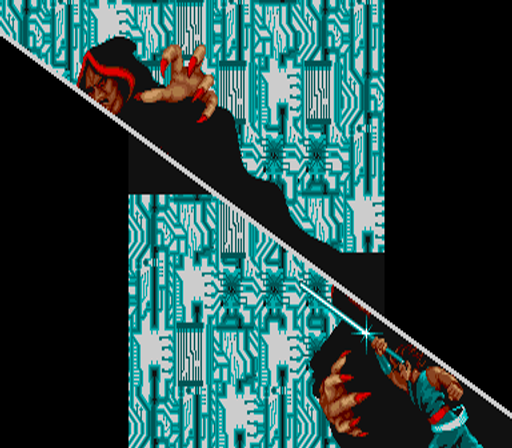
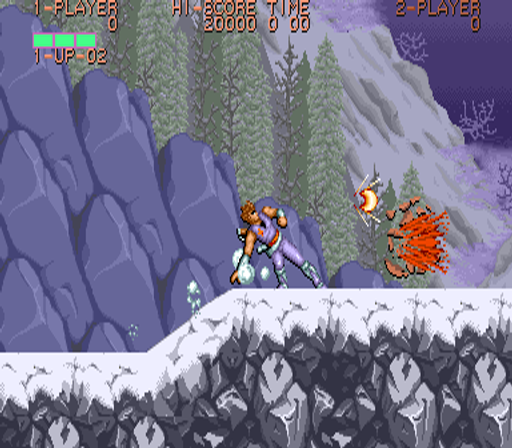
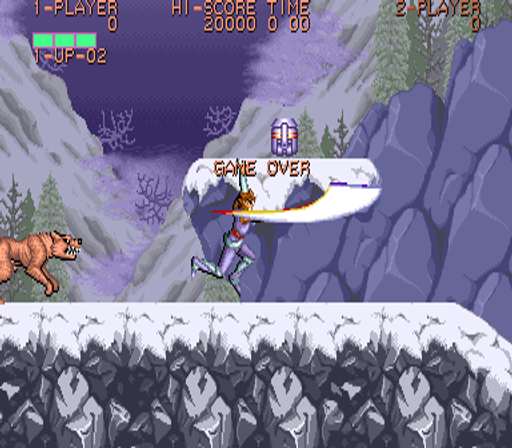
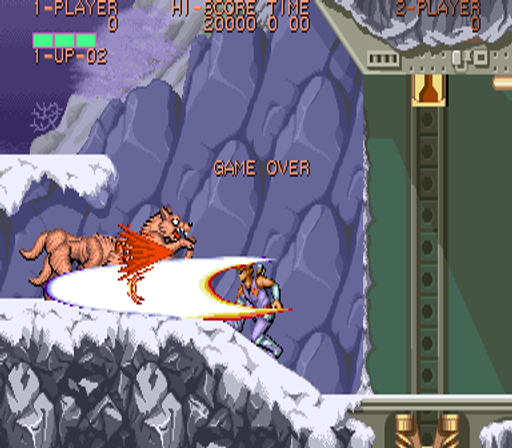
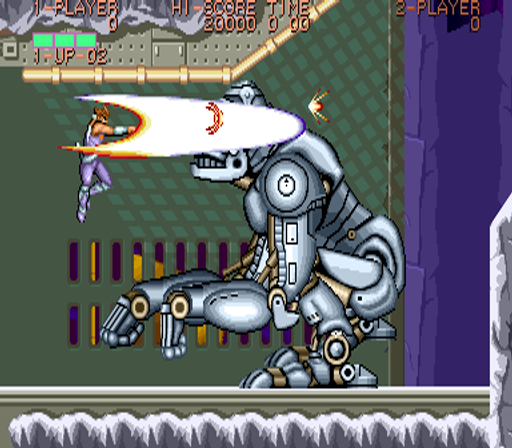
Capcom developed this 1989 arcade title where players control Hiryu, a high-tech ninja tasked with assassinating the Grandmaster. Using an eight-way joystick and two action buttons, players wield the Cypher plasma sword to perform acrobatic feats and cartwheel attacks. The gameplay combines platforming and fighter scrolling as Hiryu infiltrates the Grandmaster's capital.
Player layout in our catalog: 2P alt.
If you are exploring by feel rather than by title, jump from the tags above into the matching genre rooms, or return to the Arcade hall for the full wall.
Open Play on this page to start Strider. Keyboard, USB/Bluetooth pads, and the on-screen touch gamepad all work inside the emulator bar. Save states and fullscreen live on that same bar so you can pause mid-session and resume later.
Strider casts you as Hiryu with a sliding cypher blade through neo-Soviet stages, dinosaurs, and mechs toward Grandmaster Meio. Your objective in Strider is continuous forward momentum with smart use of the climb/attach systems, slapstick cartwheels, and the powered-up options without greed-dying on every shiny robot. Clear stages by reading enemy placement; bosses are rhythm tests for the cypher’s reach.
Start Strider practicing run, jump, and the attack’s coverage on the first rooftops—Hiryu’s blade hits a generous arc if you are patient. Use the triangle jump / wall cling skills early so later towers do not surprise you. Pick up power upgrades when safe; Strider’s difficulty spikes when you play under-powered into mid-game mechs. Do not rush every pit: look for the attach points Capcom placed for intentional pathing.
Strider’s systems reward fluidity: attacking while moving, clinging to surfaces, and using the robotic animal companion options when the cabinet grants them. Upgrades increase destructive power—losing lives can drop effectiveness, so stable play beats heroic suicide charges. Enemies often sit on vertical routes; clear above and below before committing to a climb. Boss weak points light up after pattern cycles—dodge first, slash during the punish window only. The slide and cartwheel are mobility tools as much as attacks; use them to pass under threats you cannot safely duel.
Score in Strider grows with destroyed targets and stage progress. Continues are fair while learning Meio’s stage; one-credit clears need upgrade retention and boss literacy. Extends help marathon attempts—prioritize living through thresholds. Spending a life to learn a boss pattern is acceptable; repeating the same death without changing your approach is not.
Strider mistakes: climbing into enemies you did not clear; swinging on autopilot during boss laser phases; ignoring power-ups because you are “fine”; and panicking off platforms when a controlled cling would save you. Players also forget the blade’s vertical coverage and stand too close to exploding foes. Fix by clearing a vertical lane before ascending and treating each boss phase as “dodge, then two hits,” not a mash contest.
Shinobi is Sega ninja literacy if Strider’s slash honesty still feels soft—re-learn enemy peeks there first under clearer cypher gospel. Ninja Gaiden keeps Tecmo company warm on denser wall boards. Black Tiger is Capcom once Strider slash honesty finally sticks and you want denser fantasy stress instead of Strider boards. Crowds thin cleaner once panic-mash slashes stop mid-block. Clear one careful stage before vanity leaps return on denser Capcom cabinets.
Sources cited below under Further reading.
Strider is filed in our catalog as a 1989 release.
Player layout on this cabinet: 2P alt.
Genre tags on Classic Arcade Games: Platform, Action.
Credit line lists Capcom as developer.
Nearby cabinets you may also open from this hall (each on its own play page):Strider (handheld), Bionic Commando (Euro), Black Tiger, Ghouls'n Ghosts (World), Magic Sword: Heroic Fantasy, Mega Twins, Nemo, Tiger Road (US), Willow (World), Ghosts'n Goblins (World? set 1), Son Son, 1941: Counter Attack
Capcom appears on this cabinet’s credit line. Browse more titles from the same studio on the developer shelf, or stay on this page and try the next cabinets in the same hall.
Strider (handheld) · Bionic Commando (Euro) · Black Tiger · Ghouls'n Ghosts (World) · Magic Sword: Heroic Fantasy · Mega Twins · Nemo · Tiger Road (US)
Yes. Classic Arcade Games hosts Strider as a Arcade cabinet you can start on this page. The emulator loads in the browser; you do not need to install a separate app.
Arcade stick feel: Arrow keys for the joystick, X/Z (and nearby keys) for buttons, Enter=Start. USB / Bluetooth pads map cleanly; six-button fighters use the face-button cluster.
Yes — related series cabinets on this site include Strider (handheld). Each has its own play page with the same browser emulator path.
Copy the iframe code below to embed this game on your site.
<iframe src="https://classicarcade.games/games/arcade/strider?embed=1" width="800" height="600" allowfullscreen allow="gamepad; autoplay; fullscreen"></iframe>